It helps to start with the core idea. A CFD mirrors the price of an underlying market. You are trading the movement, not the asset itself. This is why you can speculate on rising and falling markets with equal ease.
There are a few moving parts to understand early on:
You only deposit a fraction of the position value. The rest is provided as exposure. It can help you control larger trades, but it also means losses can accumulate quickly if the market turns against you.
This is the amount you need to open and maintain a position. If the market moves sharply, your margin requirement may change.
Spreads, swap charges for overnight trades, and the general liquidity of the market all influence your final outcome.
If you need a deeper explanation of the product structure, start with the fundamentals of what is CFD trading. That foundation will make every next step feel less abstract.
Your broker influences almost everything you experience once you start trading. Execution speed, platform tools, market range, and order reliability… all of it ties back to the provider you choose.
When comparing options, traders usually look for a few things:
Regulation and location
A licensed trading broker helps ensure you meet the rules of your region and provides extra security around your funds.
Market depth
Advanced traders often focus on specific areas such as FX, index CFDs, gold, crypto, or individual stock CFDs. You want a broker that offers tight pricing and consistent execution on the markets you actually care about.
Platform quality
The platform should feel comfortable to use. Charting, timeframes, drawing tools, and order types matter more than most people think. They shape the speed and clarity of every decision.
Working with a reliable CFD trading broker gives you stability, which is something you will appreciate once you start trading more frequently.
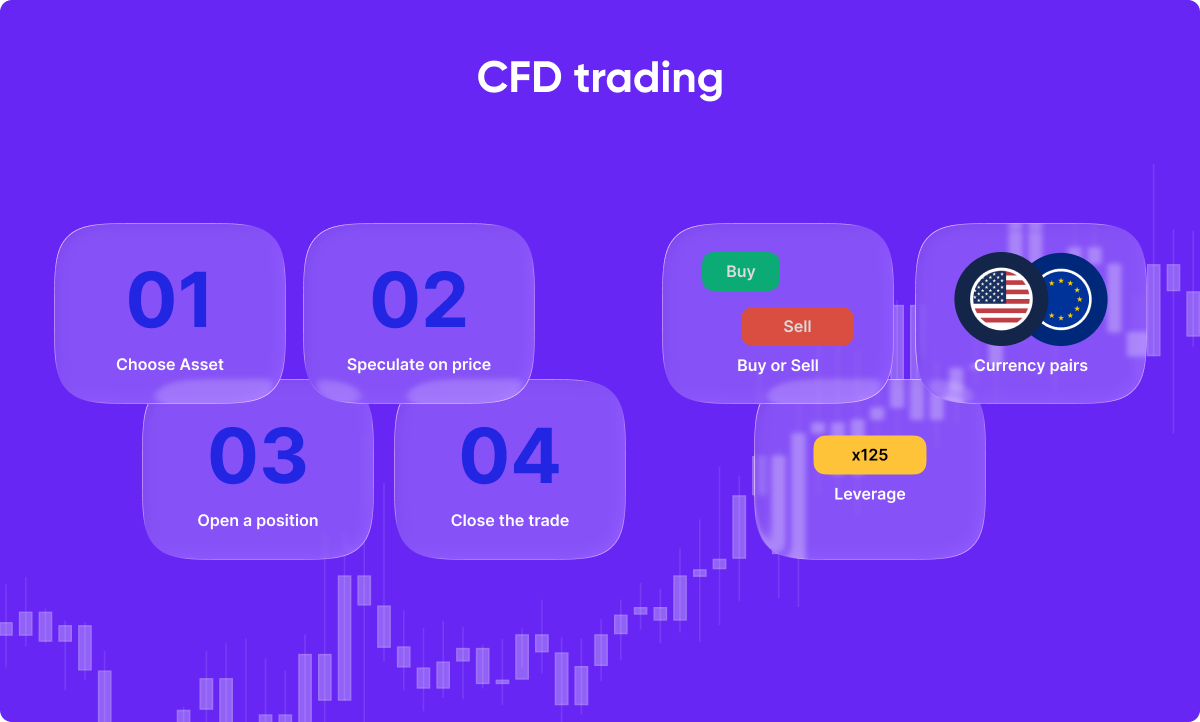
Account creation is usually quick. You verify your identity, choose an account type, and then make your first deposit. Most traders move through this stage without much trouble, but a few small tweaks at the beginning help a lot later.
Check your platform settings before you do anything else. Adjust chart colours, time zones, and default order sizes. Build a clean watchlist. Set alerts for the markets you want to monitor. These little adjustments save you time and keep your environment organised.
Your funding method is up to you. Some traders prefer instant local payments, others use crypto payment rails, and some stick to traditional banking. The important part is choosing something reliable and easy to manage.
A trading plan is not about perfection. It simply gives structure to your decisions so you are not guessing every time the price moves. Most traders refine their plan as they go, but you still need an initial starting framework.
Here is a simple way to think about it:
Your chosen markets
Pick a few rather than everything. Markets behave differently, and learning their rhythm takes time.
Your entry logic
This could be technical levels, breakouts, reversals, or broader economic themes. What matters is recognising something repeatable.
Risk limits
Decide how much you are willing to risk per trade and per day. This is how you avoid impulsive decisions and emotional exposure.
Exit rules
Have a clear idea of when you will close a winning position and when you will accept a losing one.
If you want to explore more detailed trade management ideas, guides like how to profit from CFD trading can help you think through position size, scaling, and risk control in a more structured way.
Beginners usually start by learning how CFDs work, then opening an account with a suitable CFD trading broker, and practising basic order placement. Understanding margin and controlling position size are the first priorities.
It can be, as long as you treat it carefully. Leverage can speed up both gains and losses, so beginners need a simple plan and strong discipline while they learn.
There is no fixed amount. Many traders begin with modest deposits and small positions while they build confidence. What matters is protecting your capital while you learn how the market behaves.
Yes. CFD trading is permitted in the UK under authorised brokers. Traders can access a wide range of assets, including forex, commodities, indices, and stocks.
It is possible, but not something you can rely on. Daily results depend on skills, market conditions, and risk control. Aiming for consistent execution is more realistic than aiming for a specific daily figure.